
The Dental Implant Maintenance Virtual Symposium - Part 2
Practice At Your Best, LLC Presents:
Advanced Implant-Supported Full-Arch Maintenance for the Modern Hygienist:
Integrating Protocols, Technology & Prosthetic Management
The Dental Implant Maintenance Virtual Symposium - Part 2
An Expert-Led CE Experience Covering Industry Trends, Ethical Considerations, advanced maintenance protocols & emerging technologies
Lynn Pencek, RDH, MS
Alison Stahl, RDH, BS
AnnMarie DePalma, CDA, RDH, MEd
January 8, 2027 | 11:00 AM – 2:00 PM EST | Live Online Webinar
Also available on-demand
from January 20, 2027 – January 1, 2028
4 CEU | AGD 490
CE Provided by Ivoclar Vivadent Inc., Provider #218958

Advanced Full Arch Maintenance for the Modern Hygienist:
Integrating Protocols, Technology & Prosthetic Management
A Multi-Expert CE Series on Advanced Implant-Supported Full-Arch Maintenance
Full arch implant dentistry is expanding at an unprecedented pace, reshaping patient expectations and access to treatment. As All on X therapy becomes a mainstream solution, the modern dental hygienist must evolve from traditional maintenance providers into peri implant specialists who understand the prosthetic design, underlying biomechanics, torque principles, and the subtle biological and mechanical red flags that signal early failure. This course integrates industry trends, ethical considerations, advanced maintenance protocols, and emerging technologies to prepare clinicians for the realities of today’s full arch landscape.
Lynn Pencek presents a comprehensive industry report detailing market growth, shifting demographics, and trends in oral reconstruction. Her segment highlights the increasing risks associated with multiple generations of manufacturers' components. Participants will examine how inadequate documentation compromises traceability, complicates maintenance.
Allison Stahl provides an in depth maintenance framework grounded in biomechanics and long term prosthetic stability. Clinicians will learn to evaluate screw integrity, recognize torque related complications, identify early mucositis and peri implantitis, and determine when prosthetic removal or surgical referral is indicated. Her protocols emphasize minimally invasive biofilm removal, air polishing, protection of the titanium surface, and the dangers of ultrasonic instrumentation on implant materials.
Ann Marie DePalma introduces artificial intelligence as a critical tool in modern full arch workflows. Participants will explore AI enhanced implant identification, authentic component ordering, and digital traceability. Technology and ethics converge as clinicians learn to recognize implant systems, collaborate with implant managers and major manufacturers, and ensure the safe, evidence-based selection of components.
By combining biomechanics, ethics, AI integration, and systematic maintenance protocols, this course empowers hygienists to confidently deliver precise, predictable, and responsible full arch care that safeguards both patient health and prosthetic longevity.
Event Schedule
(Classes held on Eastern Standard Time)
January 8, 2027
11:00
Greetings
11:00 - 12:00
Full Arch Prosthetics Today: Industry Insights What Hygienists Need to Know
Lynn Pencek, RDH, MS
12:00 - 1:00
What Lies Beneath? Demystifying the All-On-X, A Guide for Implant Maintenance
Alison Stahl, RDH, BS
1:00 - 2:00
AI & Implants: Understanding the Technology Behind the Tools
AnnMarie DePalma, CDA, RDH, MEd
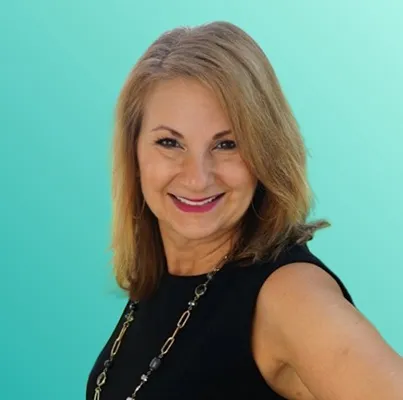
Full Arch Prosthetics Today: Industry Insights What Hygienists Need to Know
Lynn Pencek, RDH, MS
1 CEU
As full arch, implant supported prosthetics enter mainstream care, clinicians must navigate expanding treatment access, evolving prosthetic workflows, and rapid digital innovation across multiple manufacturers and component generations. With continual advances in materials, biomechanics, and maintenance protocols, full arch reconstructive dentistry demands a highly informed, collaborative, and evidence based approach to ensure predictable, ethical, and durable patient outcomes.
A review of the American College of Prosthodontists’ Position Statement provides essential guidance on when fixed prosthetics should—and should not—be removed for maintenance. In contrast, the 2024 AO/AAP consensus statement reveals areas where thought leaders differ in their recommendations, highlighting the need for critical evaluation when applying guidance to maintain full arch cases.
The industry also faces persistent challenges, including inconsistent documentation and differences in final restoration materials, all of which influence prosthetic integrity and long term success.
Learning objectives:
Describe current trends in dental implant-supported full arch prosthetics.
Interpret the American College of Prosthodontists Position Statement and AO/AAP Consensus Statements.
Analyze how varied restorative workflows and component selection affect prosthetic integrity, biological response, and the hygienist’s role in prevention and early intervention.

What Lies Beneath? Demystifying the All-On-X, A Guide for Implant Maintenance
Alison Stahl, RDH, BS
1 CEU
As the prevalence of edentulism shifts and the "All-on-X" treatment modality becomes a mainstay in modern dentistry, the dental hygienist’s role has evolved from traditional maintenance to that of a peri-implant specialist. However, the complexity of fixed full-arch prosthetics often leaves clinicians with more questions than answers: When should I remove the bridge? How do I verify screw integrity? How does the assessment and disease classification affect my instrumentation choices?
Drawing on a decade of specialized clinical experience and a landmark database of over 11,000 arch removals, this course pulls back the curtain on the "biological handoff" between surgery and long-term health. Attendees will move beyond the surface to master the biomechanics of full-arch systems, from understanding the physics of torque to identifying the subtle "red flags" of mechanical and biological failure. Through a forensic lens, we will demystify the assessment of the edentulous patient, establish systematic protocols for prosthetic management, and define evidence-based home care strategies that ensure the patient’s investment—and their health—remains secure.
Learning objectives:
Implement a systematic assessment protocol for fixed full-arch prosthetics, including the clinical identification of peri-implant health versus disease based on current classification standards.
Evaluate the integrity of prosthetic components, specifically identifying the criteria for torque wrench utilization and the mechanical indicators of screw fatigue or failure.
Differentiate between various instrumentation principles, selecting site-specific tools that debride the implant surface without compromising the integrity of the titanium or the biological seal. Alison Stahl, RDH,BS
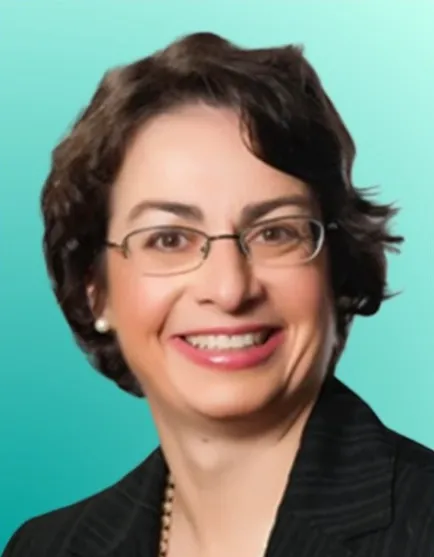
AI & Implants: Understanding the Technology Behind the Tools
AnnMarie DePalma, CDA, RDH, MEd
1 CEU
Artificial intelligence surrounds us every day—from our personal lives to implant dentistry. But does your dental implant maintenance team really understand what AI is and how it works? AI is not a single technology; it encompasses multiple subsets, each with different capabilities and applications. Understanding AI’s evolution and these key subsets can help dental teams make informed decisions about using AI responsibly with all patients, especially implant patients, across clinical workflows, components related to case design, documentation, and administrative tasks. A foundational understanding of AI empowers team members to recognize opportunities, ask the right questions, and choose the right tool for the right purpose.
Learning objectives:
Define artificial intelligence and describe its evolution and role in dentistry.
Identify key subsets of AI and their basic applications in dental practice.
Recognize opportunities for AI use in implant dentistry, including patient care, clinical workflows, and administrative tasks.
Discuss considerations for selecting and using AI tools responsibly within the dental practice.
SpeakerS
A Multi-Expert CE Series on Implant Maintenance Success from Basics to Breakthroughs

Lynn Pencek
RDH, MS
Lynn Pencek brings a unique balance of industry knowledge and clinical experience. As a member of the Nobel Biocare team, she helped dental implant practices and dental labs streamline their workflows — and, in doing so, recognized a recurring challenge: critical information among surgeons, restorative dentists, dental labs and dental hygienists often fails to transfer accurately or consistently.
She became especially passionate about unraveling the common questions and misunderstandings dental hygienists face regarding implant care and maintenance. Her work now focuses on giving hygienists the clarity, confidence, and evidence based guidance they need to support successful implant maintenance.
Alison Stahl
RDH, DS
Alison Stahl is a dedicated Registered Dental Hygienist and educator with 23 years of experience in the dental industry. For the last 10 years, she has focused her clinical practice on the specialized field of implantology. A sought-after voice in dental education, Alison Stahl serves as a certified speaker for industry leaders. Combining eight years of formal experience as a hygiene educator with her "in-the-trenches" clinical expertise, her mission is to provide dental teams with the evidence-based protocols and technical confidence needed to ensure the lifetime success of implant restorations.
AnnMarie DePalma
CDA, RDH, MEd
AnnMarie C. DePalma is a graduate of Forsyth School for Dental Hygienists, Northeastern University, and the University of Massachusetts Boston. Her passion, dedication, and expertise inspire dental professionals through her CE programs and publications. She has experience as a clinical hygienist, a faculty member, consultant, and software trainer and is a fellow in several dental hygiene organizations. Ann-Marie is an Esther Wilkins Distinguished Alumni of Forsyth Award recipient. Beyond dentistry, Ann-Marie volunteers in several local community organizations.
FAQs
Practice At Your Best, LLC Presents:
What time is the event?
It starts at 11 am Eastern Standard Time.
Will the webinar be recorded or available on demand?
Yes, the webinar will be recorded and available for a certain amount of time after.
How do I pay?
We use Stripe as our payment gateway, allowing you to use your credit card.
What is your refund policy?
There will be no refunds as you will have the opportunity to view this webinar on demand for 12 months after the live event.
Can I register and pay for only one class?
This live webinar is being managed as 3 x 1 hour classes. With the registration fee you may attend 1 or all 3 classes.
How do I obtain my CEU Certificate?
A QR code will be shared at the end of each individual speaker's course. You will have the opportunity to use each individual QR code to receive a certificate per individual course (4 QR codes = 4 x 1 CEU certificates).
The Dental Implant Maintenance
Virtual Symposium
Part 2